Welcome to our weekly career, entrepreneurship, lifestyle and fashion news roundup! Think of it as your online watercooler/work gossip station/coffee break spot for now…Want to add anything to our list? Email us at corporate@thecorporatesister.com!
As working women, it’s so important to cultivate the self-confidence we need in order to reach our goals and dreams. Without self-confidence, we also cannot face the many challenges and obstacles that come with being a working woman. From the pay gap to not having access to the decision rooms in our careers and businesses, it’s crucial for us women to harness and leverage our self-confidence.
In this video, I recap some tips to build more self-confidence in our careers, businesses and lives:
Now your turn: How do you build more self-confidence as a working woman?
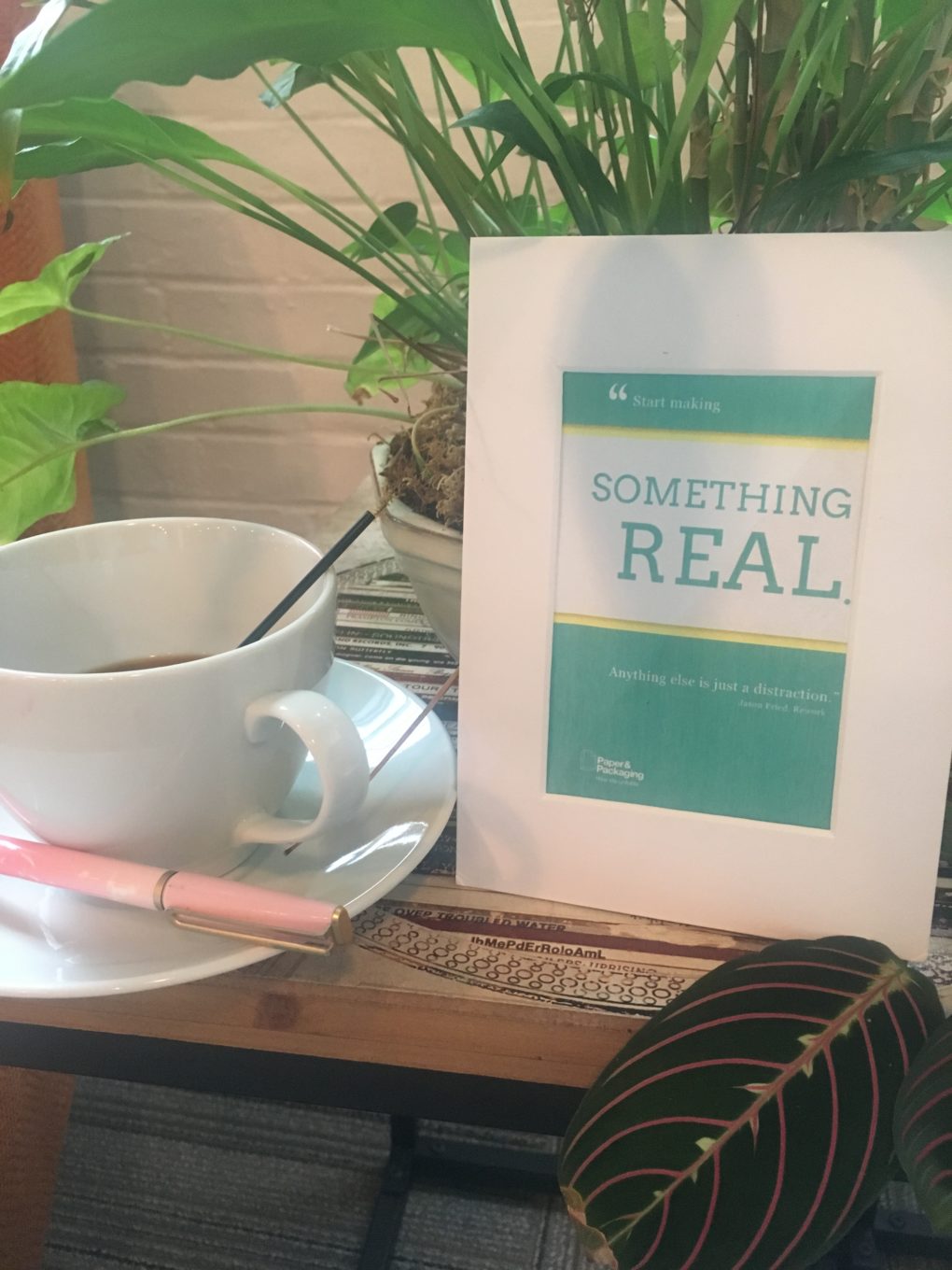
As a professional or an entrepreneur, how many times have you felt overwhelmed by technology? Do you often seek a respite from the onslaught of apps, alerts, and other tools that are supposed to increase your productivity but instead diminish it? And how many times have you had to put your smartphone away to focus on the task at hand or avoid a disaster (hello, distracted driving!)? I know I have, many times over…Truth is, in the midst of our distraction-prone, tech-addicted, multi-tasking society, focusing and being your most productive self can be a challenge. Yet, it really can be as simple as going back to the basics and… putting pen to paper.
I grew up in Senegal, West Africa, at a time when simplicity was a way of life. If you missed a phone call, you wouldn’t know until you got home (and that’s if you even had a phone at home). Tests were administered on paper, and you didn’t have to fear a technical glitch would mess up your entire day. While I didn’t realize it then, this simplified way of life that promoted note-taking and limited distractions also helped with learning faster in general. According to this Psychological Science study, the process of taking notes significantly improves learning and information retention.
There’s just something about pen and paper that instantly warms my heart. Some of my best childhood memories involve paper of some sort. As a busy working mom, I watch my own daughter collect journals, notebooks and pens with nostalgia and a renewed appreciation for the gift of paper in work and life. While it may seem that smartphones, apps and other electronic gadgets are taking over our lives, the truth is, putting pen to paper is still one of the best ways to learn, be our most productive selves, and enjoy the process of creativity and life in general:
Write and read to enhance your personal growth
If you’ve ever felt unsure, down or depressed, you know how writing down your feelings and thoughts can improve your mood. Even better, it can help significantly enhance your personal growth. There’s a reason why it’s called “writing therapy“. I journal daily as a mental and spiritual practice to help me process my emotions, get clear on my strategy and grow through what I go through.
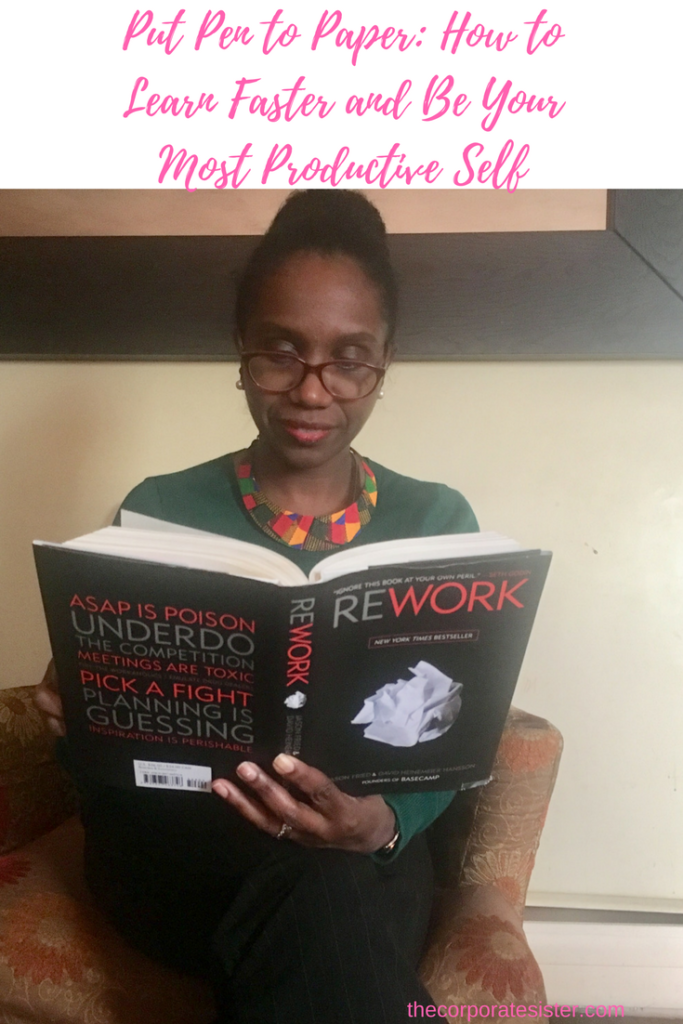
Have you also noticed how refreshing it is to read on paper? As a matter of fact, reading on paper has been proven to help improve memory and increase mental development. My most relaxing moments are spent with a physical book such as the entrepreneurial masterpiece Rework. That’s why I challenge myself to read as much as I can every single day, even if that means hiding in the bathroom away from the kids. To challenge yourself to read more, you can join here to take the pledge to read 15 pages a day.
Put pen to paper to achieve your goals
Writing down your goals and objectives is a great way to clarify them. It also empowers you to pursue them with added resolve. Best-selling author and entrepreneur Tony Robbins advises going further than just thinking about your goals, and actually writing them down.
There’s something about writing down your objectives that not only motivates you to achieve them. It also allows you to check back on them and track your progress, in addition to keeping distractions at bay, including messages, apps and videos. I love doing so and enjoying the experience with fun tools such as the pre-sharpened, original hardwood pencils from the General Pencil Company.
Use paper to slow down and refuel
Have you noticed how many apps exist to actually help you shut down the noise of technology? There are actually many tools available to mute notifications from computers and smartphones, and help you be tech-free for a while.
As much as I love using technology, I make it a point to step away from it periodically, tune out and put pen to paper to slow down and refuel. One of my favorite daily activities is journaling, which helps me process my thoughts and emotions and get more clarity on my goals.
Another one of my absolute favorite things to do is reading. For me, there’s nothing like the smell and feel of a traditional paper book to get in my relaxed zone. Despite being a busy mom, I try to make the time to read at least a half-hour every day. You can do the same by taking the pledge to read 15 pages a day.
Increase your creativity with paper
According to Gretchen Rubin, author of The Happiness Project, even the simple act of jotting down notes on paper helps cultivate your creativity. As a creative person, I’m always amazed at what happens when I start putting pen to paper. Ideas I may not have thought about previously unexpectedly come out and new creations emerge.
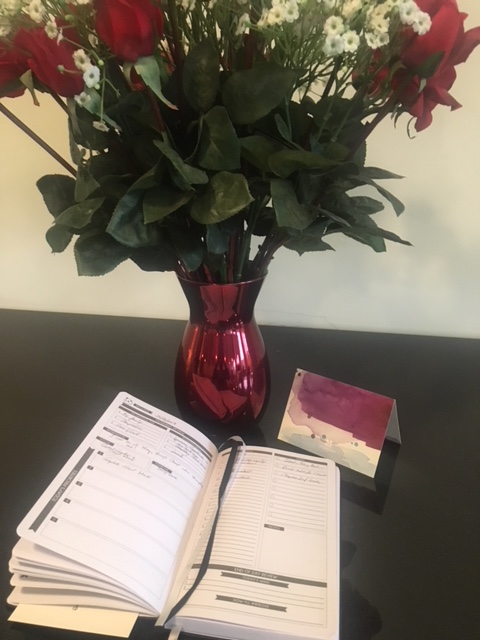
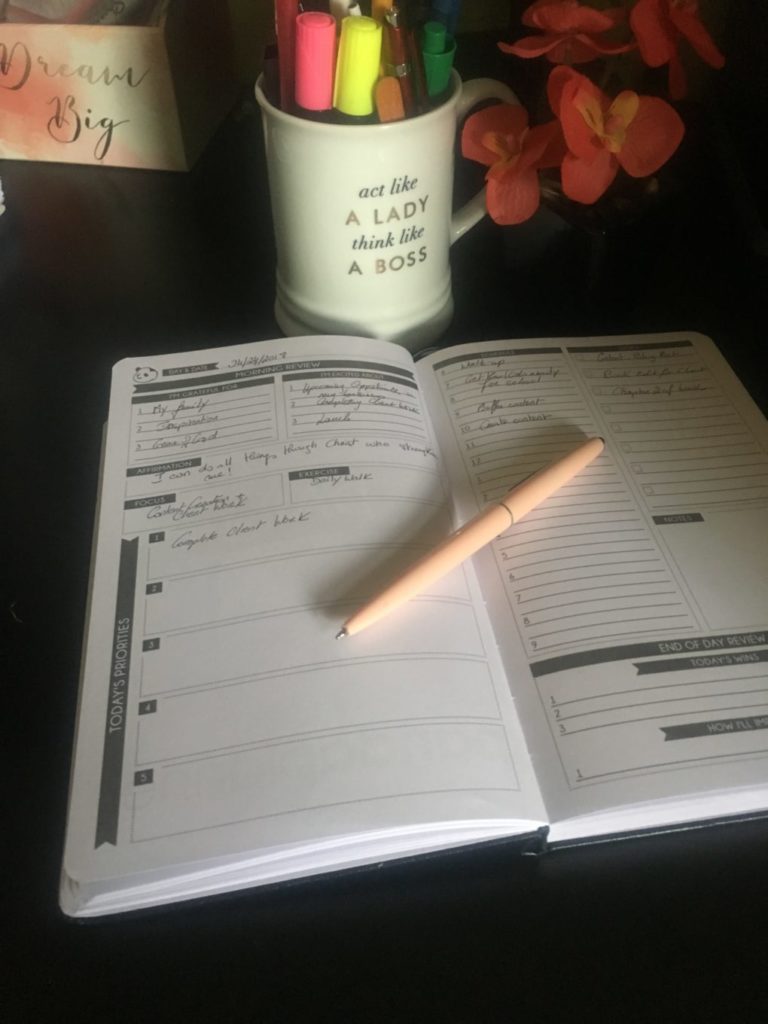
Even for non-creatives, writing things down can spark unusual inspiration and creativity. It’s the reason why I carry a planner or notebook like the Panda Planner along with me at all times. Not only is it easier to transport than a computer, there’s also no worrying about finding a power source in case the battery dies.
Boost your career with writing
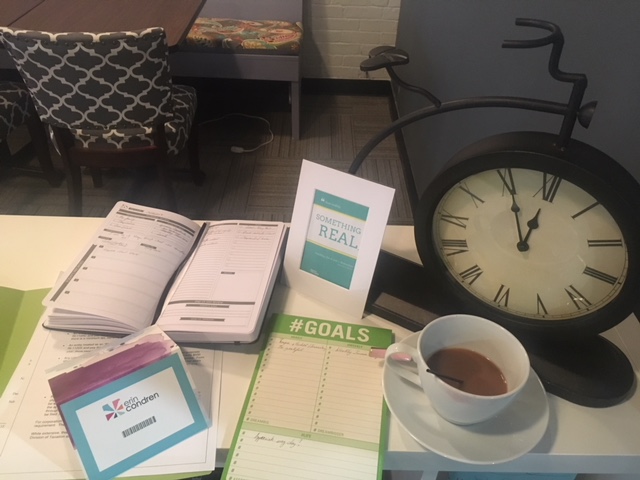
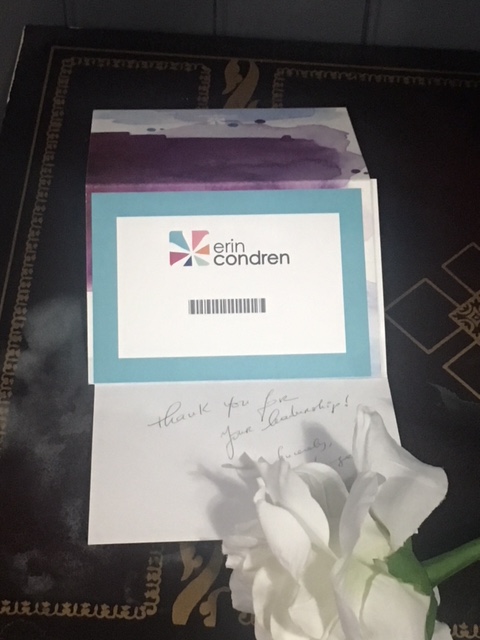
Using paper can make all the difference in your job search and career. Sending a written thank you note after an interview adds a distinctive touch that makes you stand out in a sea of emails. Similarly, written thank you notes foster positive relationships while at work. It’s a personal step that sets you apart from the crowd, and impacts your relationships significantly. I personally love the Erin Condren notecards for their professional and elegant look. A thoughtful thank you card may just be the lasting touch that gets you the job, or helps you finalize the business deal. It also activates feelings of gratitude in you, which keep your brain healthy and happy. An overall win-win…
In addition, lessening your dependence on technology can help you avoid losing precious documents or ideas due to lack of power or unavailable wi-fi. Don’t let a low battery or missing wi-fi signal keep you from writing down a great idea so you don’t forget it, or foregoing hours of work as a result of technical issues.
Get organized
While there are many electronic to-do list options available, paper to-do lists are still more efficient. An electronic to-do list can easily be lost behind another screen, but a paper list provides an easier visual cue you can keep on hand to remind you of what you have to do. Additionally, a paper to-do list motivates you to achieve your goals faster, so as not to have to rewrite them.
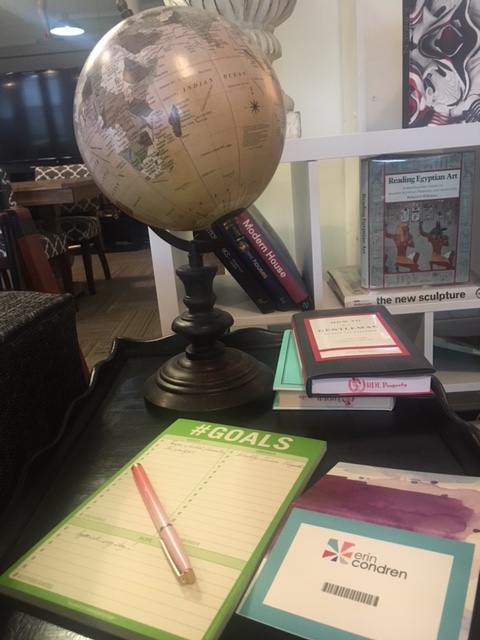
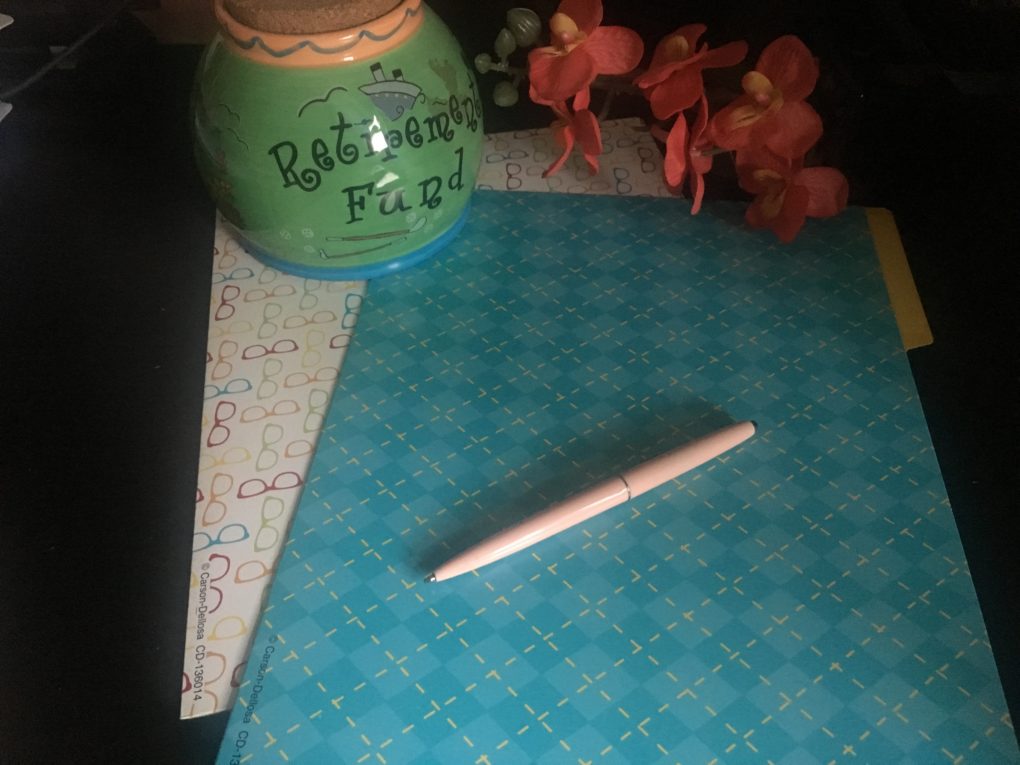
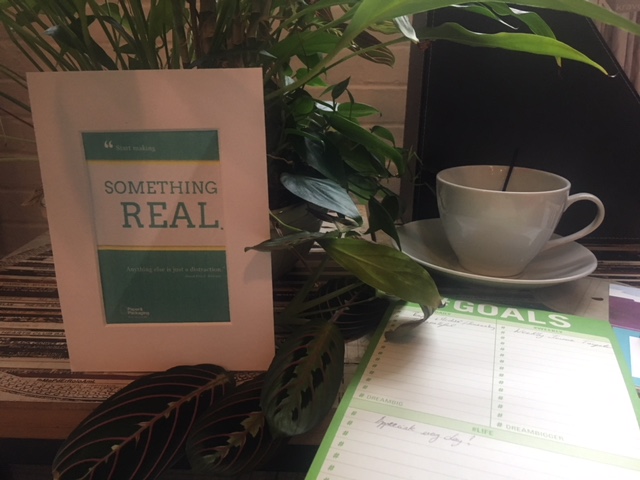
I’m obsessed with the Knock Knock Goals notepad, as a fun way to list my goals and keep them visible all day long. As a Certified Public Accountant, it’s also important for me to keep track of all my business documentation by using file folders such as the Carson Dellosa smart and colorful file folders.
Get happier
Overall, using paper to write about your goals, process your emotions, list your tasks, and so many other written activities, can generally make you happier. According to this 2011 study, such writing can foster increased well-being, as well as decreased incidences of illnesses.
There’s power in being able to shut down the noise around you, focus on your goals and engage in a process of creativity that pushes you to be your best self.
In conclusion, using paper is a powerful way to balance out your use of technology and tune out the external noise for greater productivity and focus. Fostering your personal growth, learning faster, and living better can be as simple as putting pen to paper. Let’s start today…
For more inspiration on being your most productive and best self, visit 15 pages a day.
Spring Break is our favorite family time for road trips. That’s when we pick a destination, pack our bags, lock our home and literally hit the road. Yet before we even put foot to the pedal, there’s a thorough process of planning, reflection and elimination that takes place. An offer is made, and we all participate in defining whether what we can do together and for each other as a family is compelling enough for all of us. I love visiting museums, while the hubby enjoys long drives, and the kids will do pretty much anything that involves high-energy activities and some level of sugar intake. In a way, our Spring Break prep process is a lot like writing a business proposal. We make one or many offers outlining what we can do for each other, why we’re the best at doing it, and sell our arguments around in hopes of winning the best deal for everyone.
In the same way, writing a killer business proposal is about presenting an offer to your prospects demonstrating what you can do for them in and why you are the best person/company to do it. If you’re a business person or an entrepreneur, you may know how important business proposals are. They cement business deals and set the stage for profitability in your venture. However, they must also be persuasive, compelling and clear enough to elicit a vibrant “yes”.
Here are 5 tips to make use of when writing your next business proposal:
Identify your client’s needs
One of the three basic sections you must include in your business proposal is one about your client’s needs. Failing to have a clear and thorough understanding of what he/she needs will put you at a significant disadvantage. As such, the first section of your business proposal must answer the following questions, as related to what you can offer them:
What current challenge(s) does your client’s industry face?
What are the most acute of the obstacles faced by your client in their industry?
Ideally, you would have had prior discussions with your prospective clients, or researched them enough to gather related information, such as:
When the problem/challenge originally began
What has been done to remedy it before
How much help is needed to fix it
What they hope to achieve with your help
When they intend to have the project completed
The budget they have in mind
Offer a compelling solution
The second most important section of your business proposal revolves around the solution you are proposing, and why you are the best to provide it. In this section, you must outline the following:
How much you understand their need, based on your research, experience and even personal interest. This is where it’s useful to back up your arguments with applicable case studies, benchmarking and appropriate description of results you may have obtained before;
What you will do to fulfill their need, including a detailed action plan with steps you will implement. Make sure to be as clear as possible and explain how each step will add value to your client;
The results you will be able to get, and how these will tie in to the needs you have identified earlier in the report (refer to 1.)
Why you are the best persona/business to handle this job. This is the part where you decisively include what you can bring to the table and how your unique skills, experience, qualifications and even personality benefit them.
Be clear about the administrative details
A business proposal is not a business proposal unless it includes a strong and detailed administrative and logistical section. This is where you wrap up by including the conditions to your involvement in the project, namely:
Suggested timeline
Preliminary milestones of the project
Proposed Budget
Other terms and conditions such as project delivery, payment, etc…
Use the mirroring effect
Have you heard of the mirroring effect in psychology? It’s the behavior in which one individual subconsciously imitates the attitude, gestures, or speech pattern of another. This can lead to building rapport and connection with the other person. As you write your business proposal, you can use this powerful concept to your advantage.
Take some time to observe and reflect upon your client’s particular ways of expressing him/herself. In turn, use the same tone, words and phrases to address them in your business proposal. It’s also important to understand the emotional and cultural patterns they may be responding to, so as to include them in your writing as well. This will help you build a stronger connection with them.
Clarity and accuracy are key
Last but not least, you can increase your chances at having your business proposal stand out by making it as clear and accurate as possible. This includes:
Eliminating any jargon or overly technical terms that can lead to confusion
Using short and simple sentences and wording
Inserting visual aids such as charts, graphs and other presentations to make your proposal clearer and more appealing
Ensuring that your document is grammatically correct and free of misspellings
In conclusion, keep in mind that you are qualified to offer your solutions and services to this prospective client. Take advantage of this opportunity by crafting a thorough, clear and compelling proposal with these steps.
Now your turn: What has been your experience with business proposals?
As much as I love writing, business report writing was not always my favorite. As a creative, I used to perceive them as too rigid and overly structured. However, what I ended up realizing is that not only are they powerful tools to communicate your ideas in any business setting. They’re also a compelling way to express yourself creatively at work and in business, contrarily to popular (and negative) common perceptions.
If you’ve been in business for some time, you know how important it is to properly write business reports. These come in many formats and can be used for different purposes, yet they share the same essence and guiding principles. Most importantly, they can be used to successfully write your way to being positively noticed at work.
Successful business writing is not just reserved to a select few only. Neither is it restricted to a few guidelines that can prevent you from truly expressing your ideas. Instead, it boils down to understanding a few key pointers and being authentic to your own voice.
Before you even begin putting pen to paper, begin with the end objective in mind. What are you trying to accomplish in this report? What message are you sending to your audience? What are you trying to obtain through this report?
Defining your objective will set the direction for your report. When writing an audit report for instance, your objective is to express an opinion, whether positive or negative, resulting from the audit work performed as related to a certain process. Your objective will be to support this opinion throughout the report and clearly back up the results of your work. If you’re writing an informational report in which you’re not expressing any opinions for instance, your goal is simply to share information.
Know your audience
Your business report has an intended audience in mind. Do you know who this audience is? Are you writing to a Board of Directors, your direct supervisor, or the head of the company? The nature of your audience will help you determine the nature, amount and extent of information included. You would not want to include highly detailed and analytical data if the report is intended for a strategy executive. Similarly, you wouldn’t want to skip on the numbers and financials section if your report will be read by financial analysts and accountants.
When in doubt, ask your direct manager whether the report is strictly for him/her, or if they intend to share it with other departments or higher-ups. If you’re a business owner, make sure that you’re clear as to who the report will be distributed to.
Find and organize your data
Business reports are organized around data. While you must build a compelling story around it, the data is still at the center of it. Set aside enough time to collect, understand and organize the data you will need to build a convincing report. When in doubt, go back to the report’s objective, and ask yourself if the data you’re collecting is supporting the goal(s) you’re trying to achieve through this report.
Once you have found the data you need, you can now use it to flesh out your report.
Tell a story around the data
The next step is to create a story around the data you have gathered. Build the story so that it naturally evolves and integrates the data. What is the data telling the readers or the audience you intend it for? Each data point should naturally flow to the next, so as to create a logical flow.
At the end of the day, the information you have aggregated is meant to tell a story with a beginning, a middle and an end.
Set your key sections
While there are many types of business reports, they should include the following basic sections:
Title
Executive Summary
Introduction
Main body
Conclusion or recommendation
End with the beginning in mind
As you may have noted from the various sections listed above, the Executive Summary appears at the beginning of the report. As its name indicates, it is the summary of the major areas outlined in the report. The Executive Summary usually identifies the key findings, as well as the next steps to take.
Keep in mind that while your manager may read the entire report, other higher executives may limit themselves to the Executive Summary. This is why it’s important to outline the report’s key points. However, you should keep it to one or two paragraphs only.
Clean up time
Don’t forget this last step, which may be one of the most crucial ones. Edit your document to reflect your company’s style guide, and check for any grammatical or syntax errors. Another tip is to ensure that the document is easily readable, by structuring it in a scannable way, with bullet points, sub-heads and even bold print, as applicable.
You may even have someone critique or review your report before submitting it. Some of the questions to ask your reviewer include:
Is the language clear and understandable?
Are your main points and recommendations apparent?
Is your report free of errors?
In conclusion, here’s a quick recap of the 7 steps to follow whenever writing a business report:
Start with the end in mind
Know your audience
Find and organize your data
Tell a story around the data
Set your key sections
End with the beginning in mind
Clean up time
Now your turn: What are your best tips to write business reports?